
As a dentist at Growing Smiles, I meet patients every day who walk in worried about bleeding gums, bad breath, or loose teeth—often thinking these are minor issues. From years of hands-on clinical experience, I can confidently say this: gum disease symptoms should never be ignored. They are your body’s early warning system, signaling that your oral health—and sometimes your overall health—is at risk.
In this detailed guide, I want to personally walk you through everything you need to know about gum disease, exactly how I explain it to my patients in the clinic.
Understanding Gum Disease and Why It Matters
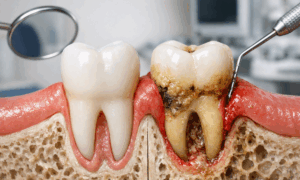
Gum disease, also known as periodontal disease, is a progressive condition that affects the tissues supporting your teeth. If left untreated, it can lead to tooth loss, jawbone damage, and even contribute to systemic health issues like diabetes and heart disease.
At Growing Smiles, we don’t just treat teeth—we protect smiles for life. Recognizing gum disease symptoms early is the key to prevention and successful treatment.
Common Gum Disease Symptoms You Should Never Ignore
One of the biggest challenges with gum disease is that it often starts silently. Many patients tell me, “Doctor, it didn’t hurt, so I thought it was normal.” Unfortunately, pain usually appears only in advanced stages.
Look out for these gum disease symptoms:
- Bleeding gums while brushing or flossing
- Persistent bad breath or bad taste
- Red, swollen, or tender gums
- Gum recession (teeth appearing longer)
- Loose or shifting teeth
- Pain while chewing
- Pus between gums and teeth
If you notice even one of these signs, your gums are asking for help.
Gum Disease Reasons: What Causes This Condition?
From my clinical perspective, gum disease reasons often overlap, but plaque buildup is the main culprit.
Primary Causes Include:
- Poor oral hygiene
- Plaque and tartar accumulation
- Smoking or tobacco use
- Hormonal changes (pregnancy, menopause)
- Diabetes and compromised immunity
- Stress and poor nutrition
- Genetic predisposition
When plaque is not removed, it hardens into tartar, which irritates the gums and triggers inflammation—leading directly to gum disease.
Gum Disease Types Explained Simply
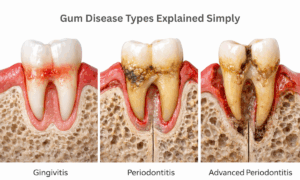
Understanding gum disease types helps patients realize why early treatment matters so much.
1. Gingivitis
Gingivitis is the earliest and most reversible stage. Symptoms include redness, swelling, and bleeding gums, but no bone loss yet.
2. Periodontitis
If gingivitis is ignored, it progresses to periodontitis. Infection spreads deeper, damaging bone and connective tissues. Teeth may become loose.
3. Advanced Periodontitis
This is the most severe form. Extensive bone loss occurs, often requiring surgical intervention or tooth removal.
How Gum Disease Affects Your Teeth
Patients often ask me how gum disease impacts teeth. Simply put, gums are the foundation of your teeth. When that foundation weakens, even healthy teeth cannot survive.
- Teeth lose support
- Chewing becomes painful
- Teeth shift, affecting bite alignment
- Increased risk of tooth loss
Healthy gums mean stable, long-lasting teeth.
Gum Disease Medication and Professional Treatment Options
Treatment depends on the stage of the disease. At Growing Smiles, we customize care for every patient.
Non-Surgical Treatments
- Professional scaling and root planning
- Antibacterial mouth rinses
- Gum disease medication, such as antibiotics or antimicrobial gels
Advanced Treatments
In severe cases, a gum disease operation may be required. This could include:
- Flap surgery
- Bone grafting
- Soft tissue grafts
Early diagnosis often prevents the need for surgery, which is why regular check-ups are so important.
Gum Disease Home Remedies: What Helps and What Doesn’t
Many patients ask about gum disease home remedies. While home care cannot replace professional treatment, it can support healing.
Helpful habits include:
- Brushing twice daily with a soft-bristle brush
- Flossing gently every day
- Rinsing with salt water
- Using dentist-recommended mouthwash
Please remember—home remedies support treatment; they do not cure gum disease.
Why Seeing Gum Disease Specialists Matters
Gum disease is not a one-size-fits-all condition. Consulting trained gum disease specialists ensures accurate diagnosis and long-term care.
At Growing Smiles, we focus on:
- Conservative treatment whenever possible
- Patient education and prevention
- Advanced periodontal care when needed
Our goal is not just to treat the disease, but to protect your smile for life.
Final Thoughts
As a doctor at Growing Smiles, I’ve seen firsthand how timely care transforms lives. Ignoring gum disease symptoms can cost you more than just teeth—it can impact your confidence and health.
If you or a loved one notices early signs, don’t wait. Professional care makes all the difference. We proudly provide Gum Disease Treatment in Whitefield, Bangalore, helping patients restore their oral health with compassion, expertise, and advanced dental care.
Your gums deserve the same attention as your teeth—and we’re here to help every step of the way.
FAQs
1. What are the earliest gum disease symptoms?
Early symptoms include bleeding while brushing, mild swelling, and redness of the gums, often without pain.
2. Can gum disease be cured completely?
Gingivitis can be fully reversed. Advanced gum disease can be controlled but requires ongoing care.
3. Is gum disease medication always necessary?
Not always. Mild cases respond well to cleaning and hygiene improvement, while advanced cases may need medication.
4. Are gum disease home remedies effective?
They help maintain gum health but cannot replace professional dental treatment.
5. When is a gum disease operation required?
Surgery is recommended only when non-surgical treatments cannot control infection or bone loss.
6. How often should I visit Growing Smiles for gum care?
We recommend a dental check-up every six months, or more frequently if you have existing gum disease.