
As a dentist at Growing Smiles, I regularly see patients who come in with severe gum pain, swelling and discomfort caused by infections deep within the gums. One of the most urgent conditions we treat is a periodontal abscess, which requires immediate and proper care.
Patients often visit us seeking periodontal abscess treatment at our best dental clinic in Whitefield, especially when pain escalates quickly or affects daily activities. Early diagnosis and timely treatment are essential to prevent further damage to the gums, bone and surrounding teeth.
Understanding Periodontal Disease and Abscess Formation
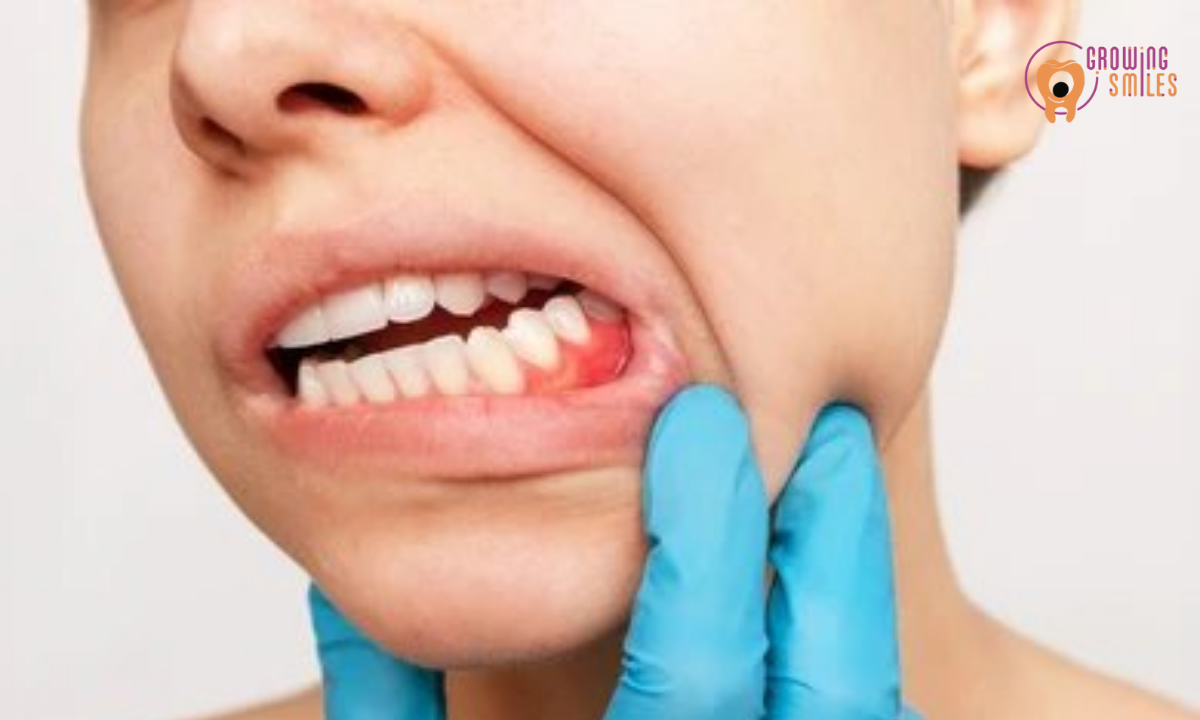
To fully understand abscess treatment, it helps to know the periodontal disease definition. Periodontal disease is a chronic infection of the gums and supporting structures of the teeth, caused by bacterial buildup below the gum line. When this infection becomes localized and trapped, it can lead to a periodontal abscess.
A periodontal abscess typically forms due to:
- Untreated periodontal gum disease
- Deep gum pockets trapping bacteria
- Food particles lodged beneath the gums
- Weakened immune response
- Poor oral hygiene
Unlike a simple gum boil, an abscess involves deeper tissues and often requires professional intervention.
Signs and Symptoms of a Periodontal Abscess
Patients with a periodontal abscess may experience:
- Suddenly, intense gum pain
- Swelling around the tooth or gums
- Red, inflamed or shiny gums
- Pus discharge
- Bad taste or bad breath
- Sensitivity while chewing
- Fever in severe cases
Ignoring these symptoms can lead to worsening infection and potential tooth loss.
Why Prompt Periodontal Abscess Treatment Is Crucial
Delaying periodontal abscess treatment can allow the infection to spread to the surrounding bone and tissues. In some cases, untreated abscesses may even affect overall health.
Early treatment helps:
- Relieve pain quickly
- Stop infection spread
- Preserve natural teeth
- Prevent bone loss
- Restore gum health
Prompt care ensures both immediate relief and long-term oral health protection.
How Periodontal Abscess Treatment Is Performed
1. Drainage of the Abscess
The first step in treatment is draining the accumulated pus. This reduces pressure, relieves pain and removes a large portion of the infection.
2. Deep Cleaning of the Gum Pocket
Scaling and root planning are performed to clean below the gum line. This process removes plaque, tartar and bacteria that caused the abscess.
3. Periodontal Disease Antibiotics
In some cases, periodontal disease antibiotics are prescribed to control bacterial infection. These may be oral medications or localized antibiotic gels placed directly into the gum pockets.
It is important to note that while a tooth abscess treated with antibiotics may show temporary relief, antibiotics alone are not a permanent solution. Mechanical cleaning and professional care are essential.
Role of Gum Disease Treatment in Abscess Prevention
Ongoing gum disease treatment plays a vital role in preventing abscess recurrence. Treating gum disease at an early stage reduces deep pockets where bacteria thrive.
Effective gum disease management includes:
- Regular professional cleanings
- Deep periodontal therapy when required
- Proper oral hygiene practices
- Lifestyle modifications
- Follow-up dental visits
Consistent care significantly lowers the risk of future abscess formation.
Periodontal Maintenance Therapy for Long-Term Stability
After active treatment, periodontal maintenance therapy becomes essential. This therapy focuses on maintaining gum health and preventing reinfection.
Maintenance typically involves:
- Regular periodontal cleanings
- Monitoring gum pocket depth
- Early detection of inflammation
- Personalized oral hygiene guidance
Patients who follow maintenance schedules experience fewer complications and better long-term outcomes.
Gum Disease Treatment In Whitefield: What Patients Can Expect
At our clinic, patients seeking gum disease treatment in Whitefield receive comprehensive and personalized care. We focus on addressing both the immediate infection and the underlying cause to prevent recurrence.
Treatment plans are customized based on:
- Severity of infection
- Gum and bone condition
- Overall oral health
- Medical history
This ensures safe, effective and lasting results.
When Is Surgical Treatment Required?
In advanced cases, surgical intervention may be necessary. This can include:
- Periodontal flap surgery
- Bone regeneration procedures
- Removal of severely damaged tissue
Surgical treatment is recommended only when non-surgical methods are insufficient.
Preventing Future Periodontal Abscesses
Prevention is always better than a cure. To reduce the risk of abscess recurrence, patients should:
- Brush twice daily with proper technique
- Floss or use interdental cleaners regularly
- Attend routine dental check-ups
- Avoid tobacco use
- Follow recommended periodontal maintenance visits
Healthy habits significantly reduce infection risks.
Final Thoughts
Effective periodontal abscess treatment requires timely intervention, accurate diagnosis and comprehensive care. When treated early, most abscesses can be resolved quickly, relieving pain and preserving natural teeth.
Addressing the underlying periodontal gum disease, using appropriate periodontal disease antibiotics when needed and committing to periodontal maintenance therapy are key to long-term success.
Visiting a Growing Smiles ensures you receive expert care, advanced treatment options and personalized guidance. With proper management and regular follow-ups, gum health can be restored and maintained for years to come.
FAQs
Q: What causes a periodontal abscess?
It is usually caused by untreated gum disease, deep gum pockets or trapped bacteria beneath the gums.
Q: Can a periodontal abscess heal on its own?
No. Professional treatment is required to drain the infection and clean the affected area.
Q: Are antibiotics enough to treat a periodontal abscess?
Antibiotics help control infection, but they must be combined with dental procedures for complete treatment.
Q: How long does it take to recover after treatment?
Most patients experience relief within a few days, with full healing depending on severity and follow-up care.
Q: How can I prevent periodontal abscesses in the future?
Regular dental visits, proper oral hygiene and periodontal maintenance therapy are essential for prevention.